






Most people probably know actor Raúl Juliá from either his role as Gomez in the film versions of The Addams Family or from his work on stage in such shows as Nine or Betrayal. He was an extraordinarily talented and generous man who passed away way too soon at the age of 54 in 1994. American Masters this week airs a documentary celebrating his life and career when Raúl Juliá: The World’s a Stage airs on PBS. (As with most PBS programming, checking local listings for your area is advised.)
Juliá was nominated four times for Tony Awards: Two Gentlemen of Verona (1972); Where’s Charley? (1975), Threepenny Opera (1977) and Nine (1982). All four nominations were for Best Actor in a Musical. He also appeared in plays including The Cherry Orchard (1977), Dracula (1978), Betrayal (1980) and Arms and the Man (1985).
Taking on the iconic role of Gomez in the Addams Family gave him greater fame. But it was role such as Kalibanos in The Tempest (1982), Archbishop Oscar Romero in Romero (1989) and Sandy Stern in Presumed Innocent (1990) that gave him the opportunity to showcase his full abilities.
But no role offered him more to do than that of Valentin Arregui in 1985 Kiss of the Spider Woman. William Hurt had the showier role in that film, but he also acknowledged upon winning an Academy Award for his performance, the contributions Juliá made to the film. Those were in fact, the first words out of his mouth.
I had the privilege of working with Juliá and getting to know him on an ill-begotten film adaptation of The Threepenny Opera. The film was released under the title Mack the Knife. He starred as Macheath, the same role for which he received a Tony nomination. He was utterly charming, would sing at night in the hotel bar (the film was shot in Budapest) and was generous to each and every person.
The film shot from the late summer into the very late fall of 1988. Hungary was still a communist country at the time. After a long day of shooting there weren’t too many options: we could eat/drink in the hotel and sometimes we would go ice skating. Raúl gave me money and asked me to go the next day to pick up about half-a-dozen pair of ice skates. He was going to treat some of the cast members (and myself) to an evening of skating.
My job on the film was to document the making of the film and the experience of being in Budapest. Though he was from Puerto Rico, and not a natural ice skater, he welcomed my request to put a microphone on him while we filmed him and some of the cast members skating in front of a beautiful castle. How I wish I had access to that footage! It was priceless.
I stayed in touch with him until about nine months before his untimely death. I still miss him and can’t wait to see Raúl Juliá: The World’s a Stage.
Update: You can stream this documentary on PBS’s website. If you wish to do so, go here.
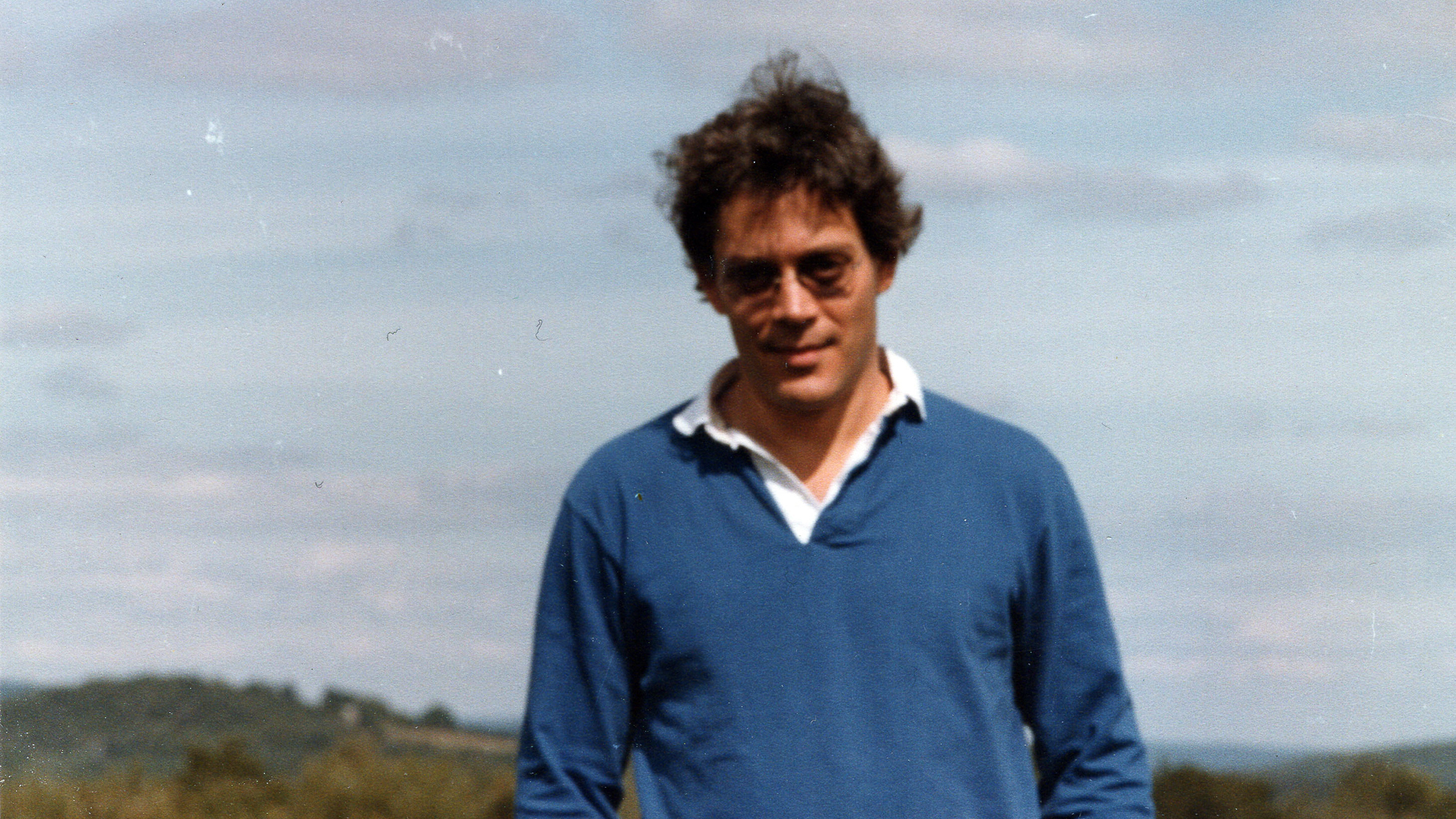
Photo of Raúl Juliá from the Family Collection/Courtesy of PBS