




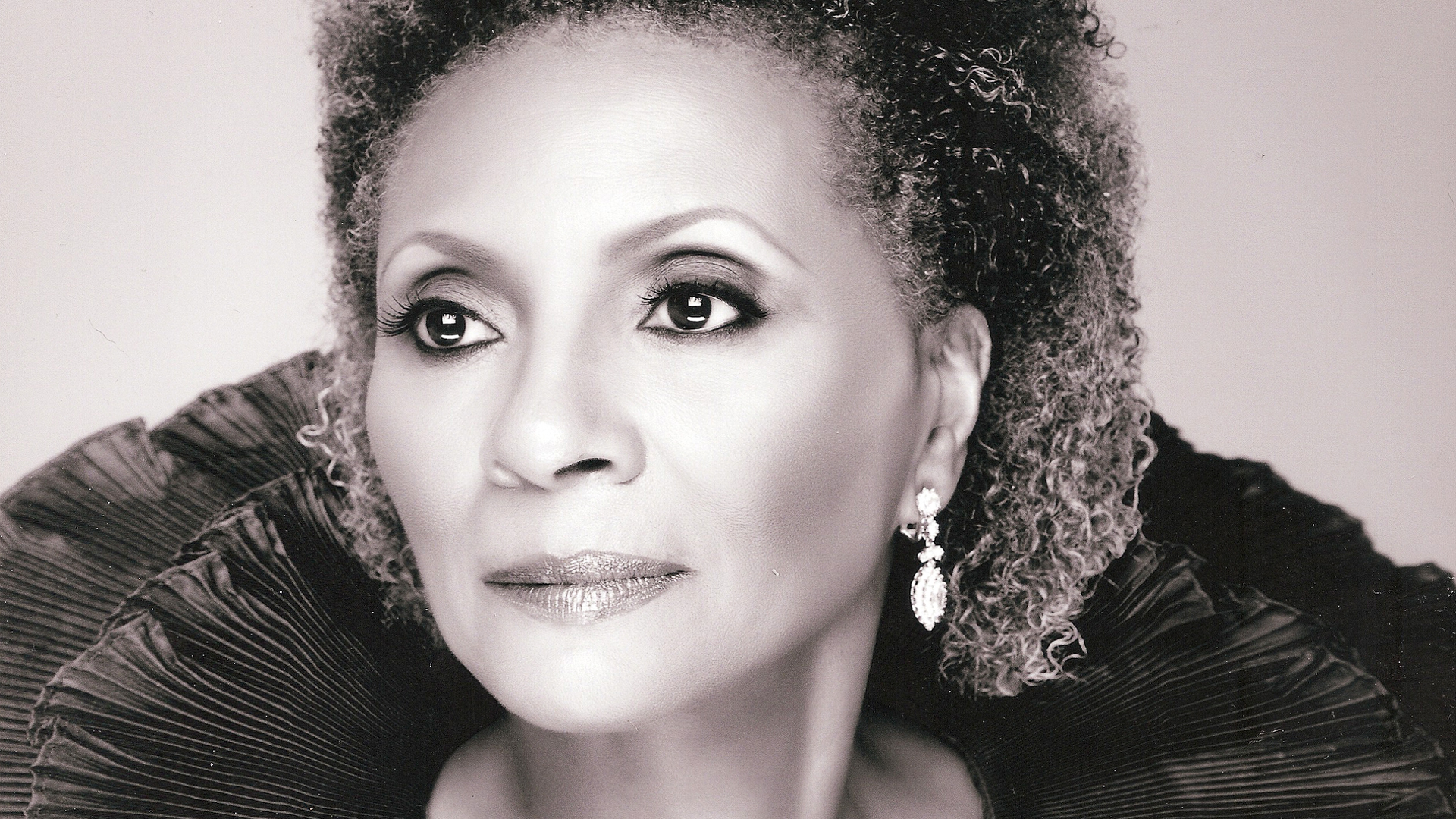

Few performers have navigated the worlds of theater, television, and film with the grace, longevity, and sheer talent of Leslie Uggams. From her childhood beginnings on television at age six and her early triumphs at the Apollo Theater, to a Tony-winning Broadway career, a breakout dramatic turn as Kizzy in Roots, and scene-stealing work as Blind Al in the Deadpool films, Uggams has continually surprised audiences — and herself — across seven decades of performance.
On September 14, she will be honored in Chicago with the Porchlight Music Theatre Icon Award, celebrating a career that has redefined what it means to be an entertainer.
In this wide-ranging conversation with Cultural Attaché, Uggams reflects on the milestones of her extraordinary life on stage and screen, the lessons she learned from legends like Louis Armstrong and Ella Fitzgerald, the importance of craft in an era of instant celebrity, and the joy she still finds in new challenges. With candor and humor, she speaks about breaking barriers, keeping her voice in top form, and what her six-year-old self — the little girl who once saw Leontyne Price in Porgy and Bess — might say about the remarkable journey that followed.
What follows are excerpts from our conversation that have been edited for length and clarity. To see the full interview, please go to our YouTube channel.
Q: You’re about to receive Porchlight Music Theatre’s Icon Award in Chicago on Sunday, September 14th. Not long ago you accepted another lifetime achievement award and joked, “Does this mean I’m not working anymore?” So, are you okay with accepting another one?
Yes, I am. The jobs are still coming, so I feel good.
You’ve been working since childhood and you’re still going strong today. How has a lifetime of performing on stage and screen fulfilled you? Could you imagine your life without it?
The great thing about it is, you know, women get a certain age and usually don’t get any jobs. My thing has been wonderful because I’m constantly working and doing interesting projects, doing different kinds of things. So I’m enjoying every minute of it.
Has there been a recent project that made you stop and think, I can’t believe I’m doing this?
I think Deadpool. I mean, Blind Al.
I had a feeling you’d say that.
It was such a stretch. When it first came out, friends of mine didn’t realize it was me. Then they saw the credits and went, “What?” My phone was ringing off the hook.
That role defied people’s expectations of who they thought you were, didn’t it?
Oh, absolutely. Because that’s a different kind of role they would expect Leslie Uggams to do. As far as I was concerned, I was like, yeah, no problem.
But it also opened doors, giving people a new way to see you.
Oh, absolutely. It opened up a whole new world with young people, especially with the guys — they love Blind Al. I get a lot of fan mail from them. Then they’re surprised I do other things, so they go back and get curious about my earlier work. That’s been wonderful.
Have you noticed that people are rediscovering older performances — your variety show, concert clips — and saying, “Oh, she can do that too”?
Oh yeah. A lot of my stuff is on YouTube. People are watching different things, some I’d even forgotten I did. Recently something popped up from a show called Hullabaloo I had forgotten about, and people were making wonderful comments. I love it.
Looking at your career, I think you’ve proven F. Scott Fitzgerald wrong — there are second, third, and fourth acts in America. What have been the biggest surprises along the way?
The first big surprise was Roots. Up until then the public knew me as a singer only. Playing Kizzy, people said, “Oh my goodness, you can act.” But I’d been taking acting lessons since I was eight. I was comfortable in that. Then Broadway — my first show Hallelujah, Baby! — winning a Tony. And then Deadpool, because no one saw that coming, including me.
It’s funny, because you don’t win a Tony just for singing — you had to act.
True, but a lot of times when people see a musical, they don’t think that way. Maybe more now, but not then. I’ve surprised people all my life. I’m used to it.
After Roots, you took on what’s often called the Mount Everest of women’s musical roles: Mama Rose in Gypsy. What was most significant about playing her?
[Playwright] Arthur Laurents wanted me to do the role when Bernadette Peters was doing it. He wanted me to take over on tour, but that never happened. So when I got the chance at the University of Connecticut, I jumped. It’s one of the greatest roles ever written for a female. Such a joy. Unfortunately, they never thought about bringing it to Broadway with a Black actress until ten years later with Audra. She’s brilliant. It’s a hard role — you’re hardly off stage. Doing eight shows a week, it’s a workout.
You’ve said before that eight shows a week is nothing compared to doing 29 at the Apollo. But Gypsy is a beast of its own.
It is. You have no life. I’m sure Audra [McDonald] cherishes her days off. That last number is the greatest number ever — you’ve got to act it and sing it. It’s tough, and she does it brilliantly.
You’ve seen all the Mama Roses, even Ethel Merman?
Oh yes. She hit that stage and you were like, okay, fasten your seat belts.
Shirley MacLaine once told me, “I’m so old, but I’m current. If the audience is with you, there’s nothing like being on stage.” Do you feel the same way?
Absolutely. If you’re on stage and can see or feel people leaning forward, you’re captivating them. That’s pretty darn good. That’s what I’ve been able to do in theater.
Is your autobiographical show Uptown Downtown the one that means the most to you?
It was fun. People don’t know I started as a kid at the Apollo. I credit everything to the Apollo. It was the greatest school you could go to. And I loved honoring the people I worked with — Louis Armstrong, Ella Fitzgerald, Dinah Washington. Then telling how I worked my way downtown [on Broadway].
What kind of education did you get from watching legends like Armstrong, Fitzgerald, and Washington?
How they captivated an audience. I never missed a performance. They were all so different, but the way they walked on stage, how the audience hushed, how they connected. You’re not just standing there — you’re creating an atmosphere that makes people want more.
The Apollo audience was famously tough. These days fame often comes from followers or influencer status. What are your thoughts on how future generations will navigate show business?
You can tell the people who’ve worked hard on their craft. They’re the ones people keep talking about. Now you can be on TikTok or something, but they’re not doing the work. When you study the craft you learn how to use your voice, dance, prepare for theater eight shows a week or for film. If you’re not ready in the moment, you get found out. This is a tough industry. You can tell who’s done the work.
And theater especially demands survival skills — like going up on lines.
Oh yes! I’ve had those moments. But you have to keep in character, not let the audience know.
Actors often say they love theater more, even though it’s harder.
Yes. In theater you start at the beginning and go to the end. In film you might shoot the ending first and get to do it again. But theater — you hit the ground running. You better be good.
I was surprised to see you still have a demo reel. With your career, I’d assume casting directors wouldn’t need it. Why is it important?
There are a lot of young ones running the business. Don’t assume they know who you are. I remember auditioning once, and a young guy said, “So what have you been doing?” I thought, okay, this isn’t going to work out. You can’t say, “Don’t you know who I am?” Some don’t. You have to keep up with the times.
You once said you always think about your next gig. What’s next?
Last year I did a show called Fallout. I don’t know if it’s coming back, but it was so much fun. My career has never been planned. My mother used to say, you look around one corner and it comes around the other. That’s been my life. Out of the blue, I’ll get a call.
And what about The Gilded Age? Might your character return?
Oh, I hope she comes back because she causes trouble. I love causing trouble.
That must be fun to play.
Yes, but let me tell you — those costumes! I had seven outfits under the dress. To act and sit in all that, people don’t realize how hard it is. But I loved the storyline this year, showing African Americans as doctors, lawyers, business owners. Great storylines. I’d love to come back.
In 2015 you said Lena Horne was one of the few people you could identify with on screen. How far has the industry come in terms of representation?
Leaps and bounds. There are so many talented African Americans we get to see now. Back then Lena was cut out of films for the South. When I was on Sing Along with Mitch, the South didn’t take the program at first because I was on it. Eventually we became such a hit that changed. Now there are great opportunities, great writers. It can always do better, but it’s doing great.
What role do you think you played in that progress, as the first Black woman to host a network variety series?
We all stand on shoulders. I stood on Lena’s, Diahann Carroll’s, Ruby Dee’s, Cicely Tyson’s. Hopefully someone thinks of me too. I didn’t just open the door, I went straight through it. I always felt like, hello world, here I am. Use my talent.
You’ve posted about family folklore and honoring the past. Have you thought about writing a memoir?
We’re thinking about it now. So many friends tell me, “You’ve got to write a book.” Looking back, I worked with everybody but Adam and Eve. Cary Grant, Charlton Heston — you name it. So I think it’s time.
Your voice today sounds incredible. Have you thought about touring again with your cabaret show?
I’d like to. The challenge is musicians — my key people have retired or live elsewhere. But I’m not giving up singing. I love doing 54 Below, but I want to do new things. It takes planning.
You’ve called Marilyn Maye your “shero.”
Oh my God, yes. She’s not just good “for her age.” She sounds great. Time has stood still for her. She’s encouragement for me.
How do you hear your voice now compared with 30 or 40 years ago?
Back then I think, gee, you’re such a kid. With age it’s like wine — it gets better. I’ve taken care of it, never smoked. I can still hit the notes. Fans tell me, “You sang that song in the same key.” It amazes me.
Does it amaze you?
I surprise myself sometimes. It’s the feeling I get when I’m singing.
I recently saw you sing Being Good Isn’t Good Enough from Hallelujah, Baby! That song seems to reflect your life. Do you feel that way?
Absolutely. You have to be the best. When I first sang it, if you weren’t extraordinary as a Black woman, you didn’t get the breaks. You had to climb Mount Everest to make people hear you.
One last question. At six you saw Leontyne Price in Porgy and Bess. What would that six-year-old say to you today about the career you’ve had, the woman you’ve become?
Because I didn’t think, “I want to be in show business,” even though I was in showbiz since I was six years old, I thought, I like to sing, I was a ham. I liked to sing and I liked to dance and I was getting these gigs, but I didn’t say, someday I’m gonna be up there doing this. I didn’t think that way. I just loved doing what I was doing and then it led to other things. So to that little girl, I would be saying, you’ve come a long way, baby.
And no regrets.
No regrets. Because I believe failure also helps too. You know, there’s a lot of gigs that I did that it was like, oh help me, let me get out of this. Or there’s a lot of times where you play in a place and not a lot of people showed up. But all of that helps build what you’re trying to do. And so I don’t look at things as a failure, I look at it as a learning lesson.
To watch the full interview with Leslie Uggams, please go HERE.
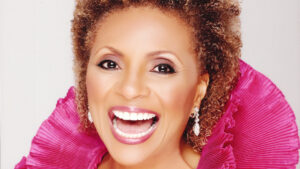
Main Photo: Leslie Uggams (Courtesy LeslieUggams.com)