







For decades, Broadway has asked audiences to gather in a theater, take their seats and experience stories together. Josh Saltman and David B. Schwartz wondered what might happen if that sense of community extended beyond the walls of a theater.
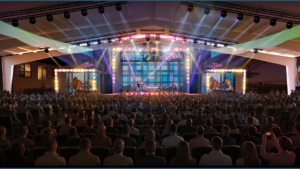
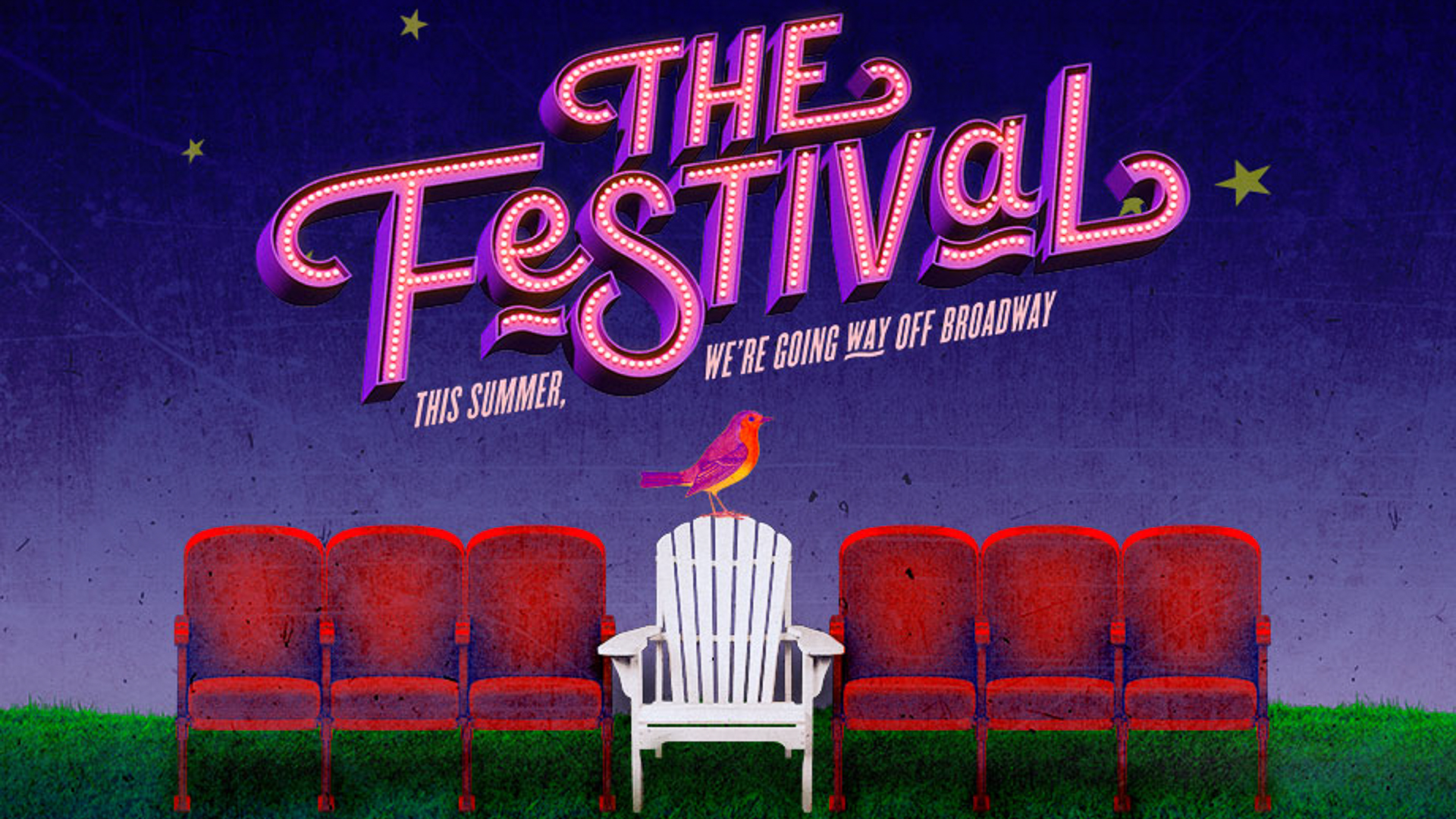
The result is The Festival (formerly BroadwayFest), a three day celebration of Broadway artists, concerts and conversations at Hutton Brickyards in Kingston, New York. Rather than recreating Broadway outdoors, Saltman and Schwartz hope to create something different: a destination where musical theater fans can experience the art form they love in an entirely new way.
The line-up is impressive: Audra McDonald, Kelli O’Hara, Renée Elise Goldsberry, Christopher Jackson, Brian Stokes Mitchell, Adrienne Warren, Reeve Carney, Eva Noblezada, Jason Robert Brown, Lena Hall, a 30-year reunion of the cast of Rent and so much more.
Our conversation explores the inspiration behind the festival, why community became its foundation, and how Broadway’s past, present and future can coexist in one remarkable weekend.
Q: Before we discuss the festival, you both served as entertainment attorneys. Mae West once said, “I enjoyed the courtroom as just another stage, but not so amusing as Broadway.” Now that you’re creating something that never existed before, do you share her view?
Josh Saltman: David and I worked together at Disney for a long time. I loved being a lawyer, and I feel like my legal skills have been very helpful, even in terms of the way I think about things as I embark on this new venture. But pursuing a passion like this is different. We’ll see, but it’s an interesting question.
David B. Schwartz: Creating something like this is obviously about putting on an incredible show, and we think we’re doing that. But we’re also building the entire infrastructure around it. It’s everything from food trucks and restaurants to hydration stations, charging stations, check in, ingress and egress. So much of that involves making sure we have the right contracts, insurance and all of the legal aspects that our previous lives as lawyers have helped inform.
Q: What are your earliest memories of seeing a Broadway show or falling in love with musical theater?
Saltman: I read your bio, Craig, and one of your earliest memories was seeing A Chorus Line at the Shubert in Century City. That’s one of mine too. I grew up in Orange County, and coming into Los Angeles to see a show at the Shubert or the Pantages was a special occasion. A Chorus Line, Evita, those became landmark experiences for me. My aunt lived in New York, so we’d also see shows on Broadway when we visited, but most of my early theater experiences happened when productions came through Los Angeles.
Schwartz: Until I was seven, I lived in Queens. My parents loved theater and took me often. My first Broadway show was Shenandoah. I was completely transfixed. I listened to that cast album over and over. I still remember the songs. I was hooked from that point on. Theater has been part of my life ever since.
Q:I read that the seed for this festival was planted while you were on the Broadway cruise. What did you discover there that convinced you this could actually exist? And David, how did Josh convince you to join him?
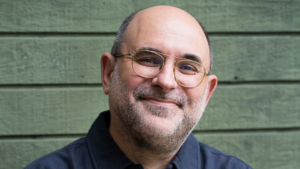
Saltman: Convincing David was one of the easiest things I’ve had to do.
The idea actually started earlier. I was a Broadway person who had also become a Coachella person. One year I was at Coachella with friends who also loved Broadway, and I remember saying, “What if there were a music festival for Broadway?” We laughed about it, but the idea stayed with me.
The Broadway cruise became the turning point. I looked around and realized there were only fifteen hundred or two thousand people there, but they were having this incredible shared experience. The smaller size actually made it more intimate. You could be sitting on deck and Anthony Rapp would walk by. That closeness enhanced the experience.
I came home thinking maybe the answer wasn’t making something bigger. Maybe it was creating a festival that was intentionally smaller, more intimate and more connected. Within a month I was in New York talking with David about it.
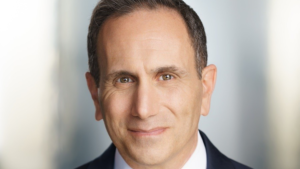
Schwartz: My wife and I already produce shows, so when Josh called me, it immediately felt like one of those ideas you can’t believe nobody had done before.
What I loved most was the opportunity to build community. We have ticket buyers coming from almost every state and from multiple countries. It’s a chance for Broadway fans to spend an entire weekend together celebrating something they love.
If we can help strengthen those connections and make this community even more interconnected, then we’ve done something really special. That’s what excited me.
Q: Why do you think something like this has never existed before?
Saltman: The Broadway experience has always been very controlled. You walk into a theater, sit in an assigned seat and experience the show in that environment. What we’re doing is different.
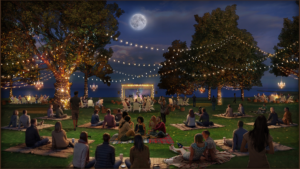
One thing we’ve thought about constantly is how to help Broadway audiences embrace a festival experience. You’re still seeing Broadway talent, but maybe you’re outside. Maybe you’re sitting on a lawn. Maybe you’re moving between stages. We want people to discover that once they’re here, they’ll realize how much they enjoy experiencing Broadway in a completely different way.
Schwartz: We tried to find a happy medium. At many music festivals you’re standing all day, and that might not appeal to traditional Broadway audiences. So we built reserved seating into the experience.
We’re combining the best parts of Broadway with the best parts of a festival. Multiple stages, programming throughout the day and night, but with the comfort people associate with seeing a Broadway show.
Q: What are your priorities for creating the best possible experience once people arrive?
Saltman: There are really two parts.
First, all the practical things matter. We joke that you can put on the greatest show in the world, but if there aren’t enough restrooms, that’s what people will remember. The same goes for food, drinks and making people comfortable throughout a long day.
The second part is creating experiences people simply couldn’t have anywhere else.
One of my favorites is our nightly campfire sing along. Imagine sitting under the stars with a blanket, making s’mores, and suddenly one of your favorite Broadway performers starts singing around the fire. Those are the kinds of experiences that make this destination unique. We didn’t want to create something that could happen in Manhattan. We wanted to embrace where we are and create something that belongs there
Getting the first few artists to say yes is usually the hardest part of launching something new. How did you build the lineup?
Saltman: It sounds like you were in the room with us.
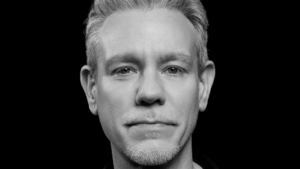
Adam Pascal was really the first breakthrough. We had gotten to know him on the Broadway cruise, and part of this idea was hatched over a drink that night. Having someone so respected say, “I like this idea. How can I help?” gave us credibility.
But I think the real turning point was Audra McDonald.
For us, she’s the pinnacle. She’s deeply meaningful to my own Broadway experience. When we heard she liked the idea and wanted to be part of it, those conversations with other artists became much easier. When someone asked, “Who else is doing it?” we could simply say, “Audra’s in.” That changed everything.
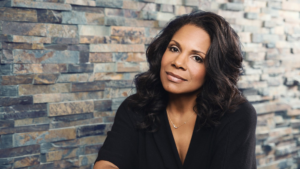
Schwartz: When our casting director, Daryl Eisenberg, told us Audra had said yes, Josh’s email was basically, “Wow, wow, wow, wow, wow.” That was a pretty good day.
Q: Life gets in the way of events like these. Actors book other jobs, productions extend and schedules change. How much juggling have you had to do?
Saltman: We knew that was going to happen. Big picture, very little.
Joy Woods got the opportunity to do Cabaret in London, which is wonderful. Ben Levi Ross and Julie Benko stayed with Ragtime when Lincoln Center extended the run. There were one or two others, but most everybody has stayed in.
You have to expect those things and have Plan Bs. But honestly, I’m pleasantly surprised that we haven’t had to do much juggling.
Schwartz: We’ve had Zooms with most of the performers to talk through the experience and what they’ll be doing. There’s been so much excitement. Everyone really seems to understand what we’re trying to build and wants to help launch it.
Q: I’m assuming you’re already having conversations about what a second year might look like.
Saltman: That’s certainly our hope. We also know we’re going to learn a tremendous amount from this first year, and those lessons are going to shape whatever comes next. Year Two will be different because we’ll discover what worked, what surprised us and what we can improve.
Before we move on, Craig, can I ask you something? Who would be at the top of your list?
Craig Byrd: Because I’ve loved musical theater my whole life, my first thought is someone who’s no longer with us. I miss Gavin Creel so much that any opportunity to spend one more afternoon hearing him sing would mean the world to me.
Beyond that, I’d love to see reunions. Patti LuPone and Mandy Patinkin together. Original casts. Revival casts. Those shared histories are part of what people fall in love with.
Saltman: That’s exactly what makes Rent unique for people our age and what it meant to us.
The nostalgia those reunions create is remarkable. Theater becomes such a formative part of your life that bringing people back together takes you right back to that moment.
Q: Let’s talk about the 30th anniversary celebration of Rent. How did you approach honoring that show while making it distinctly your own?
Saltman: From the beginning we wanted to be clear that we’re not presenting a revival or performing the entire show. That’s not what the festival is.
We wanted to create something that combines performance with history. We wanted people to remember what it felt like to discover Rent for the first time. That’s why Jen Tepper is hosting it. She has such a deep understanding of Jonathan Larson and the show’s history, and we wanted the stories to be just as important as the music.
Schwartz: There will absolutely be songs from Rent, but they’ll be woven together with stories and memories that celebrate what Jonathan Larson created. The more opportunities there are to celebrate a landmark show like Rent, the better.
Q: Because I’ve loved musical theater my whole life, it didn’t escape me that the festival’s three signature shows all borrow their titles from Stephen Sondheim. Why was that important?
Saltman: That really came from Jerry Mitchell. A Weekend in the Country was originally the name of the festival, and that evolved into using Sondheim titles for the three headline shows.
Jerry kept reminding us these weren’t simply concerts. They had to function as complete shows. They needed shape, pacing and a point of view. When does the dance number happen? When does the ballad land? When do you surprise people with a rock song?
Using Sondheim’s titles became a little wink to people who know Broadway. It was our way of saying, “We know what this community loves,” while also showing the care that has gone into building these programs.
Q: Some of these newer shows appeal to younger audiences. What was the game plan for making sure everyone would find something meaningful, regardless of when they first fell in love with musical theater?
Saltman: Musical theater is that thing that, when you first discover it, even shows you can legitimately look back on and say, “That’s not a great show,” are still meaningful because they were your first love.
We wanted to appeal to different people. If you go from Les Mis to Rent to Wicked to Hamilton, and then back to The Sound of Music or Rodgers and Hammerstein, what’s the thing everybody knows?
There’s not going to be one person at the festival who doesn’t know “Tomorrow.” At the same time, my dad, who’s in his eighties, may not know Dear Evan Hansen, while some of our younger audience members may not know Rodgers and Hammerstein.
Getting that balance is something we think about all the time. I don’t know that we’ll do it perfectly, but it’s something you have to try.
Schwartz: That was also incredibly important to us. We wanted to make sure we were programming for different age groups and different demographics, but we also didn’t want to focus only on what already exists. We wanted to shine a spotlight on the future.
That includes previews of new musicals, rising stars and our apprentices. One of the things we felt we could really do was give opportunities to the next generation of shows and the next generation of talent, not only to appeal to the next generation of audiences, but also to support the next generation of work.
Q: Collaboration has been part of this project from the beginning. Jerry Mitchell once said that collaboration is the uninvited guest in every production. What has this project taught you about collaboration?
Saltman: This festival simply wouldn’t exist without an extraordinary team. Everyone we’ve brought together comes from Broadway, but we’re asking them to create something that’s both familiar and completely new. The collaboration has been figuring out how to preserve everything that makes Broadway special while adapting it to a festival setting in a way that feels natural.
I think that’s become our special sauce. People will come away saying, “I love Broadway,” but they’ll also realize they experienced it in a completely different way.
Schwartz: I couldn’t say it any better than that. It’s an incredible team, and everybody has locked arms to create something that none of us has ever done before. We’re all trying to build something at a really high level, and I think people are going to be blown away by it.
Q: One last question. Do you feel like you’ve achieved your own Broadway dreams by making the festival a reality?
Josh Saltman: I kind of do. For me, it’s taking what I loved about Broadway and making it relevant to how I live my life now, and I think how a lot of Broadway fans live their lives now.
It’s about community. It’s about travel. It’s about creating destination experiences that become traditions, experiences you look forward to sharing year after year. That’s become just as exciting to me as seeing a great show.
Schwartz: For me, the dream has always been creating things that are meaningful and that can impact people.
If we walk away from this weekend hearing that people had an incredible experience, that it changed them in some way, or simply allowed them to escape the cares of the world for a few days, then we’ve achieved the dream.
All Images courtesy The Festival unless noted otherwise.